Be the Ground
Disaster Preparedness | Sexy Life Skills for the Apocalypse
Join Us: October 28th - November 2nd 2026 | Stowel Lake Farm, Salt Spring Island, BC
Disaster and Resilience Training for Real People.
(Sexy Life Skills for the Apocalypse)
Practical, place-based and playful, Be the Ground is designed to prepare you for a world coming apart at the seams.
Because Door Dash doesn’t offer a premium disaster subscription!
Because nobody’s coming to save you with a reaction video when crisis strikes!
Because systems awareness without real-world capability is just sophisticated helplessness.
Be the Ground builds both the hands-on competencies and the relational infrastructure – the sexy life skills - required to respond intelligently, compassionately, and effectively to unforeseen disaster and disruption.
It integrates emergency preparation and response skills with direct community building, wilderness and urban survival training, psychological resilience practices and ecological connection. It develops the ability to read and respond more skilfully to any situation. And it does it in a way that will remain online even when your nervous system is on fire.
Because it’s one thing to know about the metacrisis.
It’s another to be the ground that holds when its emissaries arrive in your neighbourhood.
Be the Ground is:
Foundational
The essential preparation that must be done before systems unravel. We’re laying the groundwork and establishing the foundational networks and capabilities that enable true resilience in the face of uncertainty.
Fundamental
Training and practicing the basic ground-level skills, practical knowledge and footwork needed to move well and respond skillfully and with confidence under duress (and in everyday life!).
Familiar
Knowing our ground – building greater kinship with the landscape and social ecology we're part of. And keeping our feet firmly planted on the ground - knowing where we stand, who we stand with and what we stand for.

The Challenge
Across communities, we are witnessing a widening gap between the complexity and intensity of emerging crises and the average citizen’s ability to respond.
Natural disasters, infrastructure failure, hazardous scenarios, and social instability - every one of these things has affected communities in the Pacific Northwest (Cascadia) in recent years.
Most of us assume that someone else will respond, yet emergency services in most places are already stretched. Too many of us are conditioned for dependency and learned helplessness. In the face of crisis, we can quickly become non-player characters.
At the same time, our communities are increasingly socially fragmented. Many of us experience a lack of belonging, confidence, and agency in the face of rapid change. Our greatest challenge is not equipment or funding - it is that most of us don’t know our neighbours well enough to coordinate when it matters.
Be the Ground is an opportunity to root down, skill up, and not be completely useless when crisis hits.
A Five Day Pilot
Stowel Lake Farm | Salt Spring Island, BC
October 28 - November 2nd, 2026 - SOLD OUT!
The Be the Ground pilot on Salt Spring Island is organized around five elements - Earth, Water, Fire, Wind, and Void. Each offers a particular doorway into resilience, while keeping us close to the elemental forces that shape the world we're preparing for.
Over five days we’ll come to know each element and the way they map directly onto the real disaster scenarios we prepare for. Through deep play, ceremony, experiential learning, and hands-on skill-building we’ll practice our way into greater confidence, relationality, and capability. Each day will include a scenario where you get to practice applying what you’ve learned with some added surprises. You can expect to be challenged…and you’ll always have a choice about how you participate. And you’ll walk away with practical skills and resources for building local community resilience where you live, along with a greater sense of confidence and capability in uncertain contexts.
Come prepared to be changed. Leave prepared for whatever’s coming!

What You’ll Gain
Real Competence
You will gain foundational competence across emergency response, basic survival, water safety, fire behavior, navigation, communication, psychological resilience, and improvisational problem-solving. These are not theoretical lessons - they are embodied and assessed through hands-on scenarios.
Preparing for the Worst: Awareness and grounded preparation for natural disasters, social catastrophe, crises, emergencies and systems collapse.
The Ambulance Isn’t Coming: Hands-on disaster medic skills.
Find the Others: Community & relationship as resilience; building neighbourhood networks.
Keeping it Together: Staying centered in our heart and humanity when things unravel.
Survival 101: Fire, water, shelter, knots, tool use, gear, food
Tactical Life Skills: Put out a fire. Use bear spray. Organize a rescue. Improvise a cookstove. Siphon fuel. Switch off the gas/electricity/water. Change a wheel. And a dozen other skills and hacks you’ll wish you’d learnt sooner.
What the Earth Knows: Building deep ecological awareness and connection.
Move your Ass: Evacuation decision-making & transportation
Who You Gonna Call? Communications Systems and strategies
Staying Alive: Personal safety and situational awareness
You’re It: Problem-solving, decision-making and leadership under duress.
Dressing Sharp for the Apocalypse: Head to toe outfits and go-bags for every occasion.
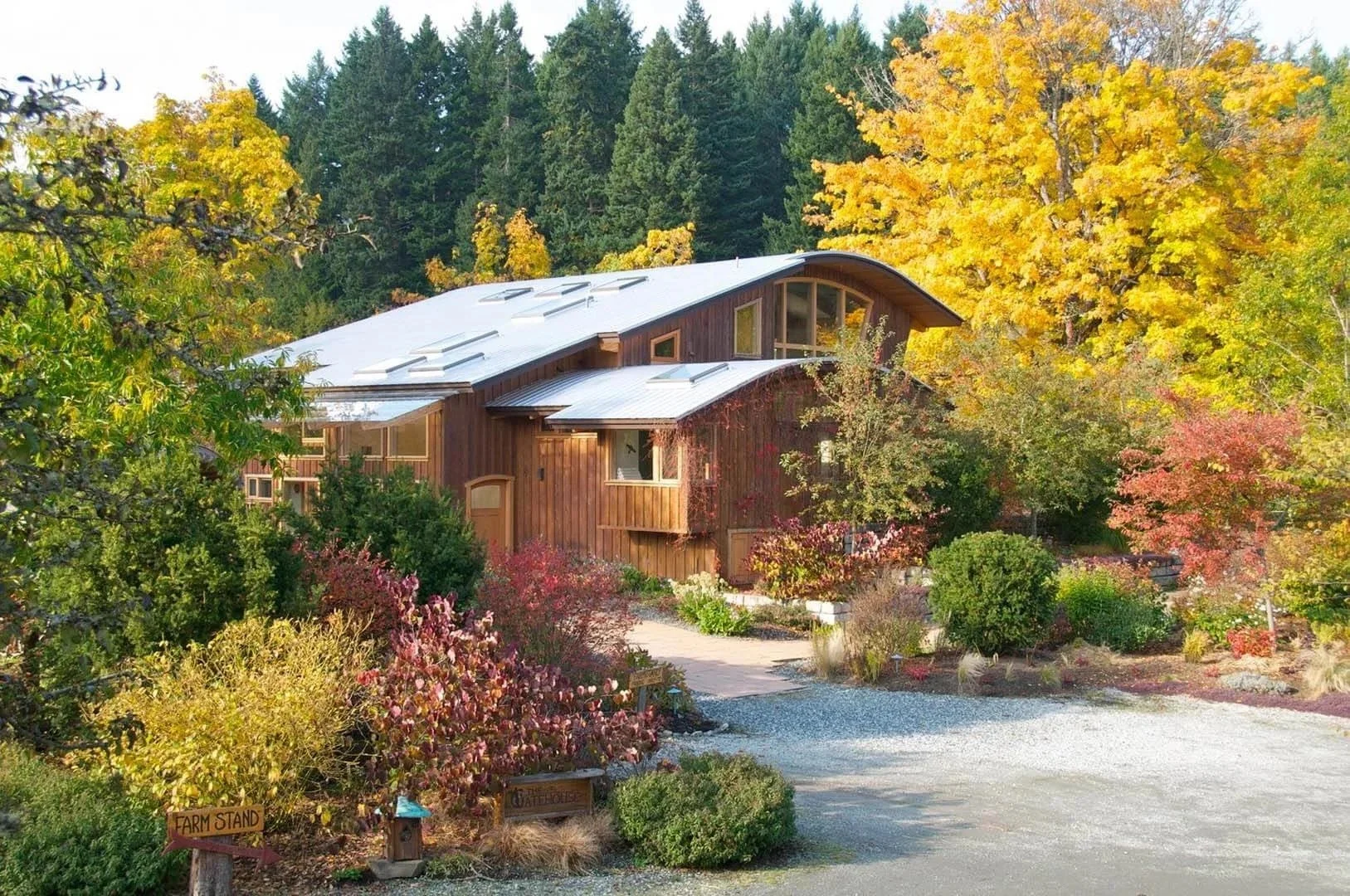
Stowel Lake Farm
Stowel Lake Farm is a beautiful place. It’s a thriving organic farm, retreat centre and community on Salt Spring Island, BC. Their mission Is to embrace service. To care for the land, forest, water and each other. To create meaningful work and to provide a sacred place for people to be inspired, to heal and to rejuvenate.
And the farm doesn’t exactly have apocalypse vibes! It’s more Hobbit-Town than Mordor. And for this pilot program that’s deliberate. We want you to sleep well, eat well and leave with an aftertaste of spaciousness and inspiration. Because Be the Ground is not just about surviving natural disasters and unravelling systems. It’s about building the kind of resilient communities, meaningful connections and sexy life skills that make life worth living in any world…but especially the one that’s coming.
Future Be the Ground programs may take us into considerably less comfortable terrain. This one is where we learn to dream it first.
Belonging to Each Other and to Place.
The practical ecocentric awareness running across Be the Ground offers something we often don't realize we were missing: a felt sense of belonging - not just to a cohort or neighborhood, but to place. When people feel connected to the land they live on, they make wiser decisions, act with more responsibility, care for the places that sustain them, and build community with more sincerity.
This subtle shift reflects the deeper aim of the entire program: developing adaptive citizens who can hold complexity, respond relationally, and become stewards of living systems - human and more-than-human alike.
And here is the unexpected gift: by preparing honestly for the worst, we find ourselves living more fully in the present. We become more connected, more capable, more awake to what actually matters. The work of preparing for collapse turns out to be, at its heart, the work of coming alive and actively building the kind of communities and world we most want to live in.
Course Fee
Come Join Us!
For five nights at Stowel Lake In shared accommodation, all course supplies and materials, three organic farm-to-table meals a day, a team of instructors and guest speakers and a hoot of a good time, we’re thrilled to offer Be the Ground at a heavily discounted rate of $1600 CAD per person.
The true cost of this program per person Is $2,600 simply to hit a break-even point. Because this Is a pilot and thanks to the generous support of our partners, we are offering this one-time event for basically the cost of the food and accommodation alone.
Your course fee includes:
· Five days experiential learning with expert instructors
· Comfortable, shared lodgings in a retreat environment
· Three, delicious, organic farm-to-table meals each day
· Additional online classroom pre- and post-course materials
· Takeaway resources for application in your own community
All supplies are included in the course fee
SOLD OUT!
But, we expect things will shift a bit. Join the waitlist and we’ll reach out.

Course Instructors
Meet Your Guides
Be the Ground brings together an unlikely band of guides, knowledge keepers, educators and organizers who, between them, have survived conflict zones, delivered babies, directed disaster recovery efforts, skinned moose, led wilderness expeditions and taught people to prepare for the worst and…somewhere along the way…concluded that the most important work any of us can do right now is help each other feel genuinely capable, connected and unafraid. We’ll release more details about visiting instructors over the coming weeks but your core team consists of:
Delmar Williams
Delmar is a renowned West Coast teacher of survival, ancestral technologies and bushcraft along with hunting, foraging and wilderness living skills. A member of the Squamish and Lil’wat First Nations, he can teach you to make saddlebags for your horse or fix your truck in the backcountry. Pack a go-bag that’s fit for urban disasters or prepare to live as a hunter-gatherer. Delmar teaches cultural arts and bush skills for the Squamish Nation and is certified member of the Association of Canadian Mountain Guides. He’s worked as a firefighter, an Outward Bound instructor, a hunting guide, a hairdresser and a horse wrangler. And if he seems familiar, he was also the stunt double for Leonardo in the original Ninja Turtles movie!
‘Doc’ Crawford
Doc brings a creative and unconventional approach to teaching emergency care skills for remote places. To manage risk, respond to serious trauma or illness and provide high-quality extended care when medical help is days away. He runs Slipstream Wilderness First Aid and began his career in 1985 as a combat medic with both the US Navy and the Marine Corps. He’s been a critical care corpsman, a ship’s medic and a patient care technician in a trauma ICU. He’s a backcountry guide, an Outdoor Emergency Care Instructor Trainer and a team member/trainer for the Mt Washington Ski Patrol. Doc has direct experience in outdoor guiding, professional rescue and critical trauma care contexts and he knows what it means to be the long-term medic in remote and dangerous places. But his biggest passion is helping ordinary people develop the skills, knowledge and confidence to be the most capable responder in extra-ordinary moments.
Zhiish McKenzie, M.D.
Zhiish could put up a tarp, light a fire, sing a healing song, take out your appendix, sew you back up and then feed you a delicious healthy meal from fish she just harvested! She’s a family physician, a psychedelic therapist and a member of the Temagami First Nation where she belongs to the Turtle Clan and is deeply dedicated to her traditional Anishinaabe teachings. Her unique path of service integrates clinical medicine with Indigenous ways of health and wellness. She understands how trauma shapes the human experience and is skilled at helping people regulate their own neurophysiology when life gets overwhelming. She’s also had a 25 year career as a wilderness instructor and guide with organizations like Outward Bound Canada and the Rediscovery movement.
Laura Blakeman
Laura makes her home in a wild desert canyon where living with the more-than-human world and learning to be radically resourceful while negotiating the complexities of a diverse and inter-dependent community aren’t just survival skills. They’re everyday realities. Be the Ground is Laura’s way of inviting others into those same realities wherever they live and however challenging things get. She’s the co-founder of Wolf Willow, a long-time wilderness guide with a PhD in psychology and holds academic appointments at three universities in the US and Canada. She’s also an active SAR team member and is certified as a level 2 SARTECH by the National Association of Search and Research. Plus she’s trained as a K9 handler so she knows how to track you down – dead or alive!
Julian Norris
Julian has been studying resilience from the inside out for most of his adult life - as a wilderness instructor, a community development facilitator, a street worker, the director of several outdoor schools, and someone who has just sat with a lot of people finding their way through chaos, crisis and complexity. He co-founded the Wolf Willow Institute, spent a decade as course director for the Rediscovery Foundation’s wilderness guide training, taught survival for Mt Royal University and teaches at the Haskayne School of Business, where his students learn leadership through mountaineering expeditions, mindfulness practice and martial arts. For Julian, Be the Ground isn’t just about surviving. It’s about becoming the people our world needs right now - and building the kind of communities that are worth belonging to.
Scott James
Community resilience. Collaborative networks. Effective response in the face of systems collapse. Building these things is the deep work of disaster preparedness and Scott James has more practical, whole-community experience doing it than almost anyone. After a successful career in the high-tech sector, Scott founded Bainbridge Prepares in his own community. It has received widespread recognition and was recently highlighted as an effective and scalable model by the International Association of Emergency Managers. He is now sharing the practical lesson learned as co-founder and Executive Director of Prepare Your Community. Scott approaches preparedness through a lens of compassion rather than fear, focusing on readying whole communities to withstand, respond to, and recover from disasters by fostering collaboration and mutual aid at every level. He is also the author of Prepared Neighborhoods: Building Resilience One Street at a Time.
-
$1600 CAD per person.
The true cost of this program per person Is $2,600 simply to hit a break-even point.
Your course fee includes:
· Five days experiential learning with expert instructors
· Comfortable, shared lodgings in a retreat environment
· Three, delicious, organic farm-to-table meals each day
· Additional online classroom pre- and post-course materials
· Takeaway resources for application in your own community
All supplies are included in the course fee. We don’t currently have scholarships available for this course.
-
There is a huge instructor to participant ratio! With five core faculty and at least as many guest experts, you’ll be well taken care of. Core faculty includes Zhiish McKenzie, Doc Crawford, Delmar Williams, Julian Norris, Scott James, and Laura Blakeman. We’ll add guests as we go!
-
Lodging at Stowel Lake Farm will be in comfortable, shared accommodation with a few options for camping for those that prefer. We’ll gather access needs and room preferences closer to the date and do our best to sort you accordingly.
-
You are responsible for your own travel costs to and from Salt Spring Island. We do not have travel bursuries available at this time.
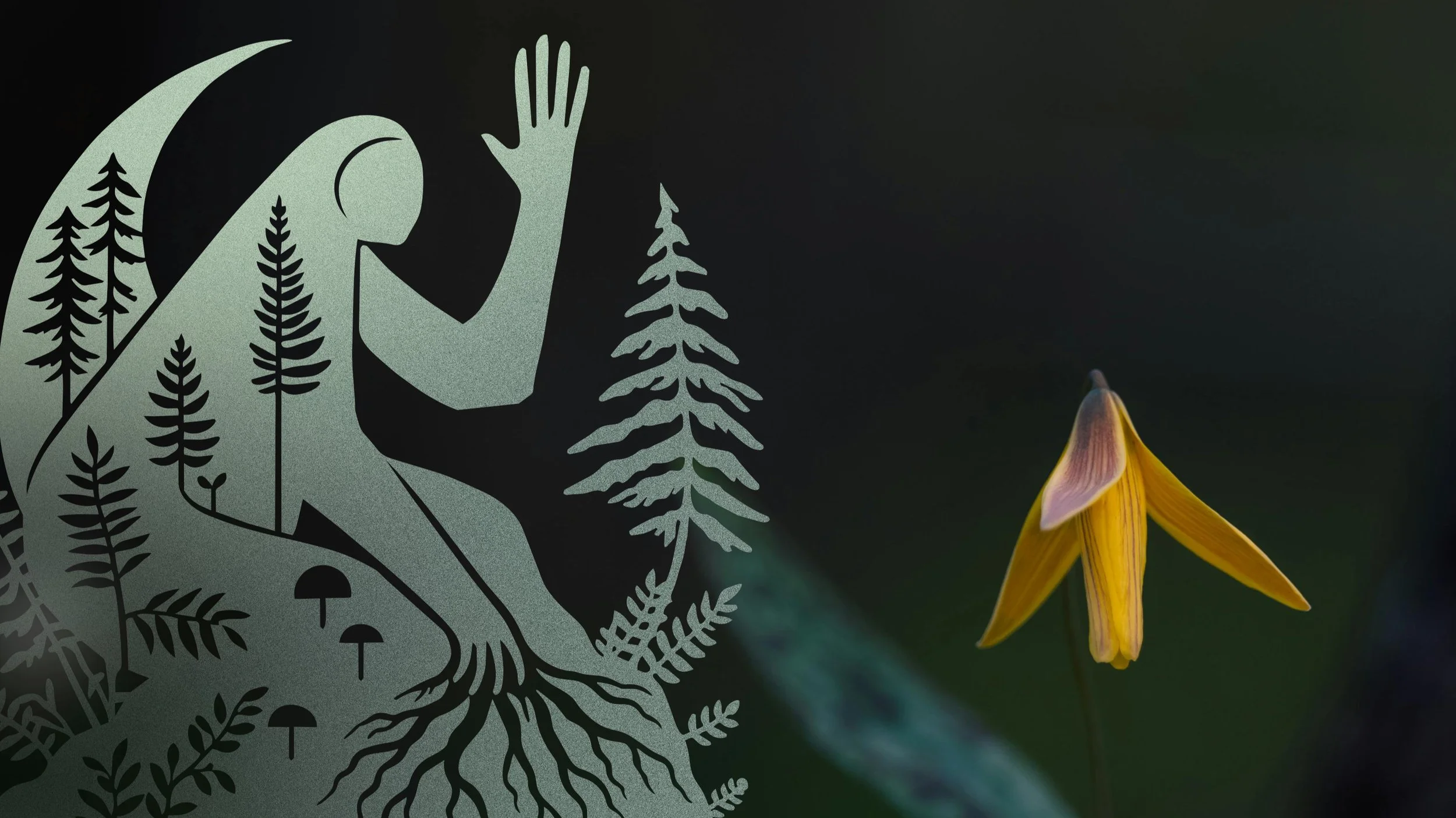
Earth
Foundations, Stability, and the Ground of Competence.
Earth is where we begin: feet on the ground, eyes open, knowing where we stand.
Not certainty about the future, but a reliable foundation of competence, clarity, and calm from which to act - centered, steady, and relaxed in the way that only genuine capability produces.
Earth gathers the foundational skills that make everything else possible: first aid and emergency response, survival fundamentals, situational awareness, and the beginnings of neighborhood mapping. These are the ground-level competencies that apply whether you're responding to an earthquake, a medical emergency, or a neighbor in crisis - the same grammar of awareness and action, practiced first in its most concrete form. The awareness cultivated here is grounded and specific - learning to see what is actually present rather than what we fear or assume. Confidence under pressure doesn't come from having all the answers. It comes from the steadfastness of knowing the ground beneath your feet.
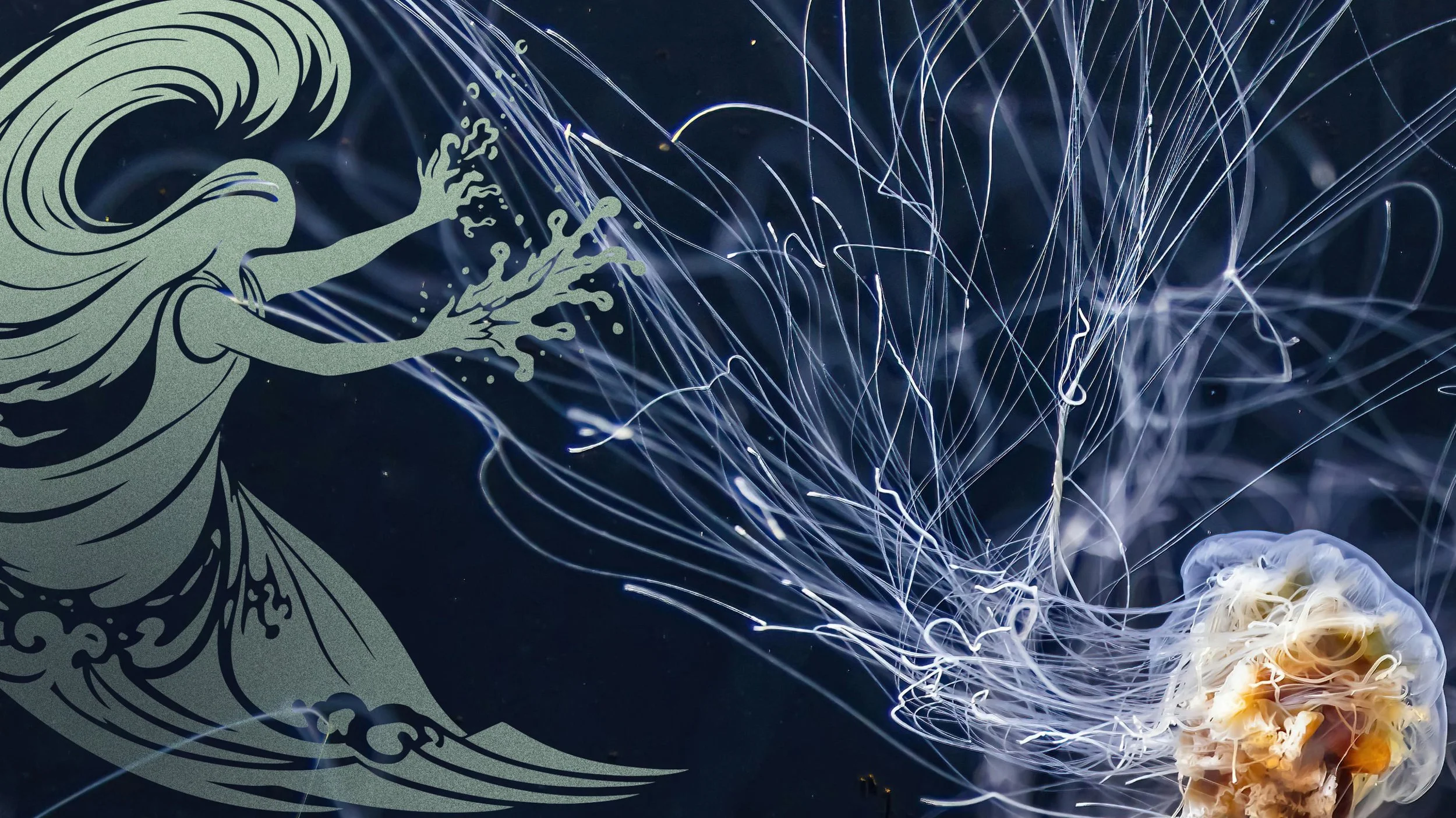
Water
Adaptation, Flow, and Embodied Intelligence in Chaos.
Water teaches us to move with conditions rather than against them.
Where Earth builds a stable foundation, Water develops fluid adaptation - receptive, emotionally intelligent, and attuned to what is moving beneath the surface before it becomes visible. The capacity to stay open and responsive rather than rigid and reactive.
Water gathers the skills and practices that emerge when the ground moves and flows - floods, tsunamis, storm surge, submerged vehicles, cold water shock. Through embodied practice with one of nature's most powerful and unpredictable forces, participants learn to manage fear and shock while steadying others, to move with conditions rather than hardening against them. The awareness here is felt rather than cognitive - pre-conceptual, somatic, deeply relational. What Water asks of us in a flood it also asks of us in every relationship under pressure: to stay receptive, to flow around obstacles, to trust that responsiveness is not weakness but one of the most sophisticated capacities we can develop.
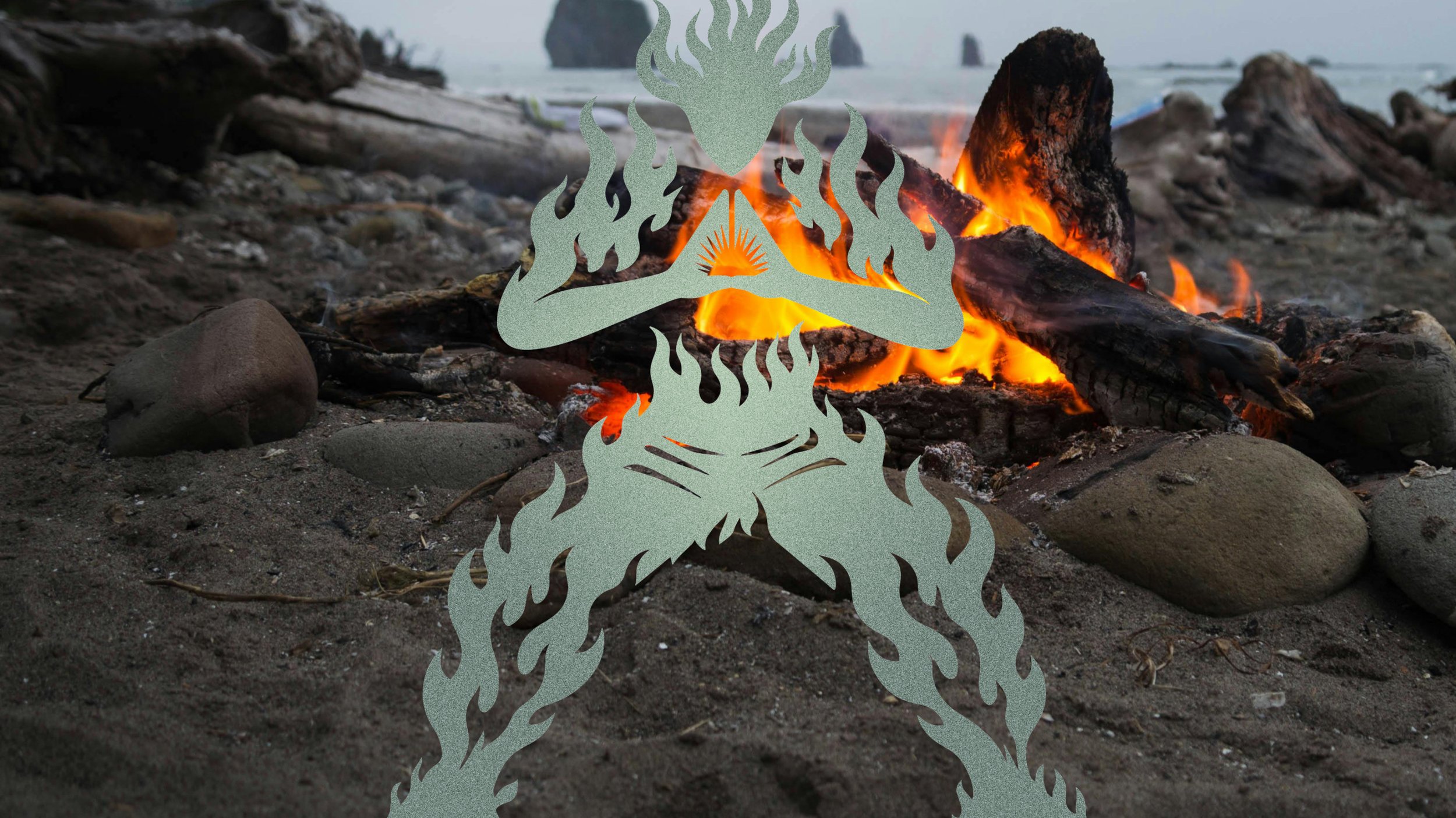
Fire
Decision, Transformation, and Acting Under Pressure.
Fire is the element of decisive commitment. Willful, intentional, and fearless - not reckless, but concentrated.
The capacity to concentrate energy precisely where it's needed and act without division when the moment demands it.
Fire gathers the skills and scenarios that demand decisive commitment under pressure - wildfire behavior and evacuation, urban conflagration, the moment when preparation must give way to movement. Awareness without action is paralysis; feeling without decision is just sensation. Through hands-on fire response training and high-pressure scenarios, participants practice the clear, focused action that crisis demands. The awareness here is kinetic - learning to read the consequences of your actions as you take them, feeling how your decisions are landing in real time and adjusting without losing momentum. Fire doesn't scatter its energy. It focuses it. The deeper work is learning to recognize the moment when you must choose - with passion and precision - what to protect and what to release.
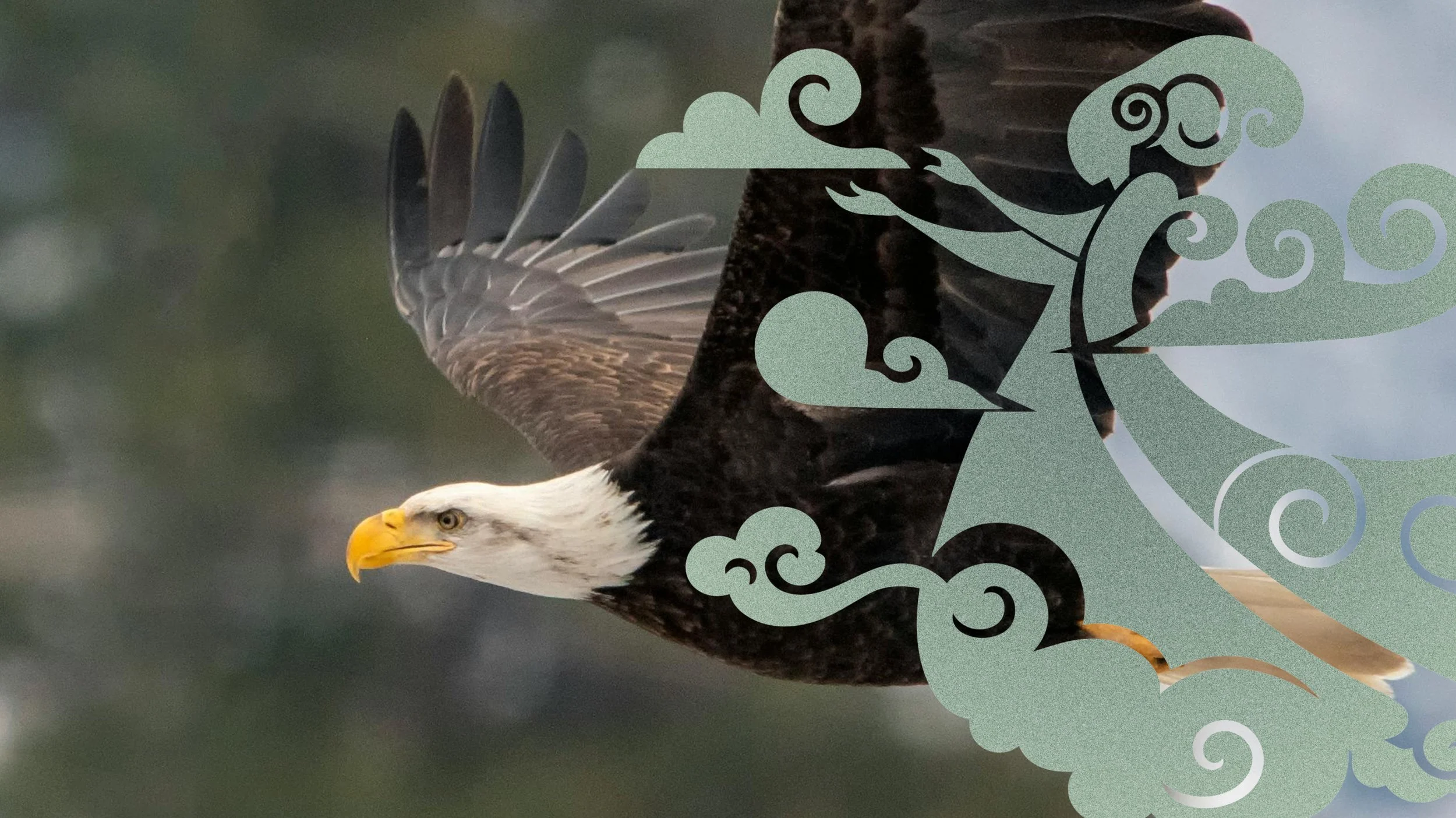
Wind
Communication, Coordination, and Moving Wisely Through Complexity.
Wind works the invisible threads that connect us across distance and difference.
It is about cultivating openness – remaining open-minded, open-hearted, cognitively flexible, and genuinely curious about what is moving between people and across the field.
Wind gathers the skills of coordination and communication - decentralized networks, navigation without technology, de-escalation, supporting others in acute distress - the invisible infrastructure that determines whether a community holds together or scatters when systems fail. Where Water develops the felt, inward quality of connection, Wind reaches outward, carrying meaning and mutual support across the wider network we belong to.
The deeper practice is learning to sense what is moving between people under pressure, to read the field beyond the immediate moment, and to stay connected when everything wants to scatter. Wind asks us to listen for what is not yet being said - and to trust that the network, tended well before crisis arrives, will hold when it matters most.

Void
Improvisation, Presence, Integration, and the Art of Emergence.
Void is spacious, non-attached, and open in a way that doesn't depend on conditions being manageable.
It is about cultivating presence in its fullest sense: the capacity to release attachment to how things should be, rest in uncertainty, and respond from genuine clarity rather than from fear. The still point at the eye of the hurricane.
Void gathers everything the other elements cannot fully prepare you for - the cascading scenario, the compounding failure, the moment when the plan runs out and something else is required. Each of the previous elements develops a particular dimension of the grammar we've been practicing - grounded, felt, kinetic, expansive. Void asks what remains when all of those are pushed to their limits. When the earthquake triggers the fire triggers the flood, when exhaustion and uncertainty make all previous strategies feel inadequate - what quality of perception stays available? Not a technique or a protocol, but something closer to a ground state: the open, uncluttered awareness from which genuinely intelligent and spontaneous response can arise, whatever the conditions.

A Resilience Ethos
Rooted in Relationship
You cannot be resilient alone. What makes Be the Ground distinct is that it’s not designed to produce heroic individual preppers but competent, calm, communally-oriented citizens who understand that resilience is a property of networks, not individuals.
You won’t just learn skills; you’ll strengthen the actual relational systems that make your skills effective. In the end, the most prepared person in an isolated household is less resilient than a moderately prepared person in a strong network with shared values.
What This Is:
Community-oriented, not survivalist
Relational resilience as infrastructure
Practical wisdom for complexity
Embodied learning that creates lasting competence
Humor as pedagogy, not deflection
Deep play grounded in real skills
Connection to the land under our feet
What This Isn’t:
Prepper paranoia or apocalypse fetishism
Macho tactical cosplay
Disaster porn or fear-mongering
Individual survivalism at community’s expense
Theoretical knowledge without embodied practice
Skills without the social fabric to use them effectively
Boring
Actual Community Connection.
Across the program, you will complete a multi-stage relational development process that includes mapping your neighborhood, meeting neighbors, initiating conversations about preparedness, hosting micro-gatherings, building contact trees and creating shared resource maps and plans.
Not just theory. Actual real-world connection!
Be the Ground will help to strengthen connectivity and resilience within your actual community.
A Shift in Perspective.
Underneath the humour and the badass skills is applied relational systems thinking. Our resilience is inseparable from not only our human communities but the resilience of the land, waters, weather patterns, and ecological communities that hold us. Crisis response is always ecological. Fires move with wind, fuel, and terrain. Flooding follows gravity, absorption, and storm timing. Heat domes interact with asphalt, shade, and tree cover. Landslides depend on slope, roots, and water flow.
We invite a practical, grounded ecocentric orientation: learning to notice, interpret, and collaborate with the more-than-human world in ways that increase our capacity to respond wisely to crisis.
Read weather, terrain, and landscape as active sources of information
Understand how ecosystems signal stress before crisis becomes visible
Know the land you're on - its water sources, fire history, flood patterns and fault lines
Recognize how human infrastructure interacts with natural systems under stress
See patterns and interdependencies across human and ecological systems
Think in systems, not just events
Recognize cascading failures before they cascade
Attune to the more-than-human world as a source of intelligence, not just backdrop
A 21st-century citizen isn't a prepper, or survivalist. They're simply someone who:
Keeps a few essential supplies on hand
Knows basic first aid and can stabilize injuries and respond to overdoses
Understands local risks (incl. compound scenarios) and has thought through responses
Stays calm under pressure and helps others do the same
Can start a fire, purify water, build shelter, and navigate without GPS
Communicates clearly when systems fail including complete digital blackout
Makes good decisions with incomplete information and under extreme pressure
Knows their neighbors by name
Has practiced coordination before crisis demands it
Shows up for community when things get weird
Coordinates rather than isolating
Navigates civil unrest safely
Maintains ethical boundaries when resources are scarce
Improvises intelligently when plans fail
Trusts and is trusted by the people around them
Stays human when inhumanity is easier
They're not paranoid. They're not naive. They're not alone. They're not unprepared for complexity. They're just capable, resilient, connected, ethical, and not completely useless.
“Find the Others.Become the Ground.”
— Douglas Rushkoff